
Osteoporosis is a common but often misunderstood condition that weakens bones, making them more fragile and more likely to fracture, especially in people diagnosed with osteoporosis later in life. The word “osteoporosis” literally means “porous bone.” As bone density decreases, bones lose strength and structure, increasing the risk of breaks, even from minor falls or everyday activities. While osteoporosis can affect any bone in the body, it has a particularly serious impact on the spine.
Understanding Osteoporosis
Healthy bones are dense and strong, constantly rebuilding themselves through a natural process. Osteoporosis occurs when bone breakdown happens faster than bone formation. Over time, this imbalance leads to thinner, weaker bones. The condition often develops silently, without symptoms, until a fracture occurs. For many people, the first sign of osteoporosis is sudden back pain or loss of height caused by a spinal fracture.
Risk factors for osteoporosis include aging, hormonal changes, especially after menopause, family history, certain medications, low calcium or vitamin D levels, and a sedentary lifestyle. Because symptoms may not appear early on, osteoporosis is frequently undiagnosed until complications develop.
How Osteoporosis Affects the Spine
The spine is made up of vertebrae that support your body, protect the spinal cord, and allow movement. When osteoporosis weakens these vertebrae, they can collapse under normal pressure. This is known as a vertebral compression fracture.
Compression fractures can cause:
- Sudden or worsening back pain
- Reduced mobility and difficulty standing or walking
- Loss of height over time
- Stooped or hunched posture (kyphosis)
- Increased risk of additional fractures
Even small fractures can significantly affect quality of life. Chronic pain, limited movement, and posture changes can interfere with daily activities and independence. In severe cases, spinal fractures can also impact breathing and digestion due to changes in spinal alignment.
Why Spine-Related Osteoporosis Is Serious
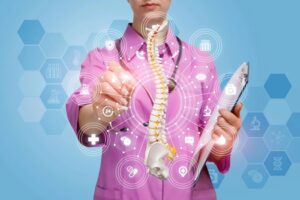
Spinal fractures don’t just cause pain, they can start a cycle of declining health. After one compression fracture, the risk of future fractures increases. Pain may lead to reduced activity, which can further weaken bones and muscles. That’s why early diagnosis and appropriate osteoporosis treatment in North Myrtle Beach are so important.
Without proper management, spinal osteoporosis can lead to long-term disability and loss of independence. Addressing symptoms early helps slow progression and reduces the likelihood of repeated fractures.
Treatment and Pain Management Options
While osteoporosis itself is often managed by primary care providers or endocrinologists, spine-related pain and fractures may benefit from specialized care. Interventional spine treatments can help relieve pain, improve mobility, and stabilize fractures using minimally invasive techniques. These options may reduce the need for major surgery and help patients return to daily life more comfortably.
Pain management in North Myrtle Beach focuses on improving function while protecting the spine from further injury. When combined with medical management of bone density, patients often experience better long-term outcomes.
When to Seek Help
If you have osteoporosis and are experiencing persistent back pain, pain after a fall, or sudden changes in posture or height, it’s important to seek evaluation. Imaging and early intervention can make a significant difference in outcomes.
Ignoring symptoms can allow fractures to worsen or go undetected, increasing the risk of complications. Prompt assessment helps determine the best path forward for pain relief and spinal stability.
Take the Next Step Toward Relief
At Coastal Carolinas Interventional Spine, we specialize in diagnosing and treating spine-related pain, including conditions caused by osteoporosis. If you’re dealing with back pain, compression fractures, or mobility issues, our team is here to help.
Contact Coastal Carolinas Interventional Spine today to schedule a consultation and learn how minimally invasive spine care can help you manage pain and protect your quality of life.
Check our Facebook page for more educational articles.
Coastal Carolinas Interventional Spine
416 Main Street
North Myrtle Beach, SC 29582
(910) 755-6060
https://www.coastalcarolinasinterventionalspine.com/
[email protected]
Coastal Carolinas Interventional Spine
10 Doctor Circle
Suite #2
Supply, NC 28462
Areas Served:
Myrtle Beach SC, North Myrtle Beach SC, Little River SC, Shallotte NC, Calabash NC, Supply NC