

Posterior Hip Pain/Sacroiliac Pain
Medically reviewed — Coastal Carolinas Interventional Spine
Separate from the spine is the pelvis and the joint between the sacrum bone and the iliac bone is the sacroiliac or SI joint. The location of pain is not central back, it is to the side and the back of the hip and can be the back of the thigh. Patients with this condition report difficulty rolling over in bed, sitting in a chair, offloading to one side, transitioning from sit to stand, or with stairs. There are common physical exam provocative tests that can stress the SI joint to see if this reproduces the pain.
The pain is from a combination of the structural degeneration of the joint which happens slowly over years and decades, and also commonly from inflammation. Typically, when the pain starts there was something that began an episode of inflammation and then the degeneration that was already there with no symptoms along with the inflammation which is new, together causes the pain. There is no test that can detect or measure this inflammation, so we start the treatment by doing what is known to be needed to resolve the inflammation, then if there is any residual symptoms it is from the structure. People are dramatically better, usually completely better by resolving the inflammation and that is done with injections under X-ray guidance. Medications treat the symptoms of pain, we are trying to treat the source and then there is no pain.

Posterior Hip Pain and Sacroiliac Joint Dysfunction: Causes, Symptoms, and Effective Pain Management
Understanding Posterior Hip Pain
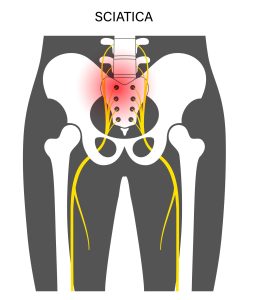
Posterior Hip Pain is a common yet frequently misunderstood condition that affects many adults, especially as they age or remain physically active. Unlike central back pain that originates in the spine, Posterior Hip Pain typically comes from structures within the pelvis—most often the sacroiliac (SI) joint. This joint connects the sacrum at the base of the spine to the iliac bones of the pelvis and plays a critical role in weight transfer between the upper body and legs.
Patients experiencing Posterior Hip Pain often describe discomfort located to one side of the lower back, deep in the buttock, or along the back of the hip. In some cases, the pain may radiate into the back of the thigh, making it easy to confuse with other causes of back pain or nerve-related conditions.
What Is the Sacroiliac (SI) Joint?
Common activities that worsen Posterior Hip Pain caused by SI joint dysfunction include:
-
Difficulty rolling over in bed
-
Pain when sitting in a chair for long periods
-
Discomfort when standing up from a seated position
-
Trouble climbing stairs
-
Needing to offload weight to one side
Because these symptoms overlap with other forms of back pain, evaluation by experienced spine specialists is essential for accurate diagnosis and effective back pain management.
Why Posterior Hip Pain Develops
Posterior Hip Pain is usually the result of two underlying issues working together:
-
Degenerative changes – Structural wear and tear of the SI joint occurs slowly over years or decades. Many people have degeneration without symptoms.
-
Inflammation – A triggering event such as lifting, twisting, prolonged standing, or even minor trauma can spark inflammation in a previously worn joint.
When inflammation is added to existing degeneration, Posterior Hip Pain begins. Unfortunately, there is no imaging test or lab work that can directly measure inflammation in the SI joint. This is why a skilled physical exam and patient history are so important at a reputable pain clinic.
How Posterior Hip Pain Is Diagnosed
Diagnosis of Posterior Hip Pain relies heavily on provocative physical exam tests. These maneuvers gently stress the SI joint to see if they reproduce the patient’s pain. When performed by trained providers at an Interventional Spine practice, these tests are highly reliable.
Imaging such as X-rays or MRIs may show degenerative changes, but they do not always correlate with pain. This is why treatment focuses first on inflammation—the most reversible component of Posterior Hip Pain.
Advanced Pain Management for Posterior Hip Pain
At Coastal Carolinas Interventional Spine, the goal of Pain Management is not simply masking symptoms with medication. While medications may temporarily reduce discomfort, they do not treat the source of Posterior Hip Pain.
The most effective approach is image-guided injections performed under X-ray (fluoroscopy) guidance. These injections precisely target the SI joint, delivering anti-inflammatory medication directly to the problem area.
Benefits of interventional treatment include:
-
Rapid reduction in inflammation
-
Long-lasting back pain relief
-
Improved mobility and function
-
Reduced need for daily pain medications
Many patients experience dramatic improvement—often complete resolution of Posterior Hip Pain—once inflammation is addressed. Any remaining discomfort after treatment is usually related to structural degeneration rather than active inflammation.
Finding Pain Management Near Me
If you’ve been searching for Pain Management near me or struggling with ongoing Posterior Hip Pain, it may be time to consult experienced spine specialists who focus on targeted, minimally invasive care.
Coastal Carolinas Interventional Spine offers comprehensive evaluation and advanced back pain management solutions at convenient locations in both North Carolina and South Carolina.
Take Control of Your Posterior Hip Pain Today
Living with Posterior Hip Pain doesn’t have to be your normal. With expert diagnosis, precise interventional treatments, and a focus on true back pain relief, you can return to comfortable movement and daily activities.
Coastal Carolinas Interventional Spine
416 Main Street
North Myrtle Beach, SC 29582
(910) 755-6060
https://www.coastalcarolinasinterventionalspine.com/
[email protected]
Coastal Carolinas Interventional Spine
10 Doctor Circle
Suite #2
Supply, NC 28462