

Arthritis is commonly linked to knees, hips, and hands, yet the spine is one of the most frequently affected areas. When arthritis develops along the spinal joints and discs, it can lead to ongoing pain, stiffness, and mobility limitations that affect nearly every aspect of daily life. Understanding how arthritis impacts the spine and which pain management options are available can make a meaningful difference in long-term comfort and function.
Spinal arthritis often progresses gradually. Early symptoms may feel manageable at first, but without proper care, inflammation and joint degeneration can intensify. As a result, many people find that activities such as standing, walking, or even sleeping become increasingly uncomfortable. Knowing what is happening inside the spine helps patients make informed decisions about their care.
What Is Spinal Arthritis?
Spinal arthritis most often refers to osteoarthritis, a degenerative condition caused by the gradual breakdown of cartilage within spinal joints. Cartilage acts as a cushion between bones, allowing smooth movement. Over time, wear and tear reduce this protective layer, causing bones to rub together and triggering inflammation.
This process can occur in any region of the spine, including the cervical area in the neck, the thoracic region in the mid-back, and the lumbar spine in the lower back. Because each area supports different movements and loads, symptoms can vary depending on where arthritis develops. Age, prior injuries, repetitive strain, and genetic factors all play a role in how quickly spinal arthritis progresses.
How Arthritis Impacts the Spine
As arthritis advances, structural changes within the spine begin to affect stability and nerve function. Facet joint arthritis is one of the most common issues. These small joints help guide spinal motion, and when cartilage wears down, inflammation develops. This often causes sharp or aching pain during twisting, bending, or prolonged standing.
Degenerative disc disease is another frequent consequence. Spinal discs lose hydration and height over time, reducing their ability to absorb shock. This leads to increased pressure on surrounding joints and muscles, contributing to chronic discomfort and stiffness. In many cases, disc degeneration and joint arthritis occur together, compounding symptoms.
Bone spurs, also known as osteophytes, form as the body attempts to stabilize damaged joints. While this response is natural, excess bone growth can irritate nearby nerves. When nerves are compressed, pain may radiate into the arms or legs, sometimes accompanied by tingling or numbness.
Spinal stenosis develops when arthritis narrows the spinal canal. Reduced space places pressure on nerves, leading to pain that often worsens with standing or walking and improves when sitting or leaning forward. Over time, this nerve compression can significantly limit mobility.
Common Symptoms of Spinal Arthritis
Spinal arthritis symptoms tend to develop gradually but may worsen over time. Many patients experience persistent neck or back pain that fluctuates in intensity. Stiffness is especially noticeable in the morning or after periods of inactivity. Movement may temporarily ease stiffness, but excessive activity often increases discomfort later in the day.
Reduced range of motion is another common issue, making it harder to turn the head, bend, or maintain proper posture. In more advanced cases, nerve involvement leads to radiating pain, numbness, tingling, or weakness in the arms or legs. These symptoms can interfere with balance, coordination, and overall quality of life.
Arthritis Pain Management Options That Can Help
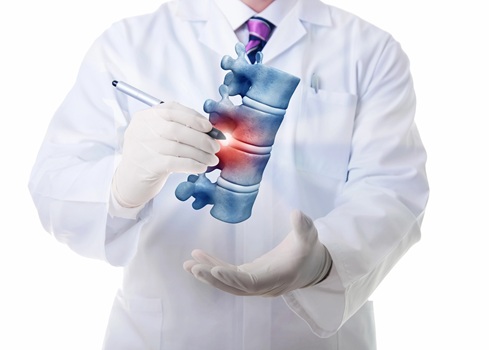
Living with spinal arthritis does not mean accepting constant pain. Modern pain management options focus on reducing inflammation, improving movement, and addressing pain at its source without relying solely on medication or surgery.
Targeted injections are often used to calm inflammation within specific joints or around irritated nerves. These treatments can provide meaningful relief and improve mobility, especially when pain limits daily activities. Interventional pain management techniques are designed to treat the underlying cause of discomfort rather than masking symptoms.
Personalized treatment plans are essential because spinal arthritis affects each patient differently. Factors such as the location of arthritis, severity of degeneration, and individual lifestyle all influence the most effective approach. In many cases, combining interventional treatments with guided movement strategies helps support long-term spine health.
Lifestyle and activity guidance also plays a key role. Proper movement patterns, posture awareness, and activity modification can reduce stress on arthritic joints. When pain is managed effectively, patients often regain confidence in their ability to stay active.
When to Seek Professional Pain Management Care
Spinal arthritis pain should not be ignored, especially when it begins to interfere with sleep, work, or daily routines. Worsening symptoms, increasing stiffness, or signs of nerve involvement signal the need for professional evaluation. Early intervention helps slow progression and prevents secondary complications caused by altered movement patterns.
A pain management specialist in North Myrtle Beach SC can identify the exact source of pain through a comprehensive assessment. From there, targeted treatments can be introduced before pain becomes severe or disabling. Seeking care early often leads to better outcomes and improved quality of life.
Questions About Pain Management Options
Can arthritis in the spine be cured?
There is no cure for arthritis, but pain management treatments can significantly reduce symptoms, control inflammation, and improve daily function.
Is spinal arthritis the same as a herniated disc?
No. Spinal arthritis involves joint degeneration and inflammation, while a herniated disc occurs when disc material presses on nearby nerves. However, both conditions can produce similar pain patterns.
Does spinal arthritis always require surgery?
Most patients do not require surgery. Many find effective relief through non-surgical pain management options tailored to their specific condition.
Can pain management help arthritis-related nerve pain?
Yes. Many interventional treatments are designed to reduce nerve irritation caused by arthritis-related changes within the spine.
What lifestyle changes help spinal arthritis pain?
Maintaining a healthy weight, staying active with guided movement, and following an appropriate pain management plan all help reduce stress on the spine and improve long-term comfort.
Take the Next Step Toward Relief
If arthritis-related neck or back pain is limiting your life, you do not have to manage it alone. Coastal Carolinas Interventional Spine focuses on advanced, non-surgical pain management options designed to help patients move more comfortably and confidently.
Schedule a consultation with Coastal Carolinas Interventional Spine to learn how a personalized spine pain management approach can support long-term relief and help you return to the activities you enjoy.
Check our Facebook page for more educational articles.
Coastal Carolinas Interventional Spine
416 Main Street
North Myrtle Beach, SC 29582
(910) 755-6060
https://www.coastalcarolinasinterventionalspine.com/
[email protected]
Coastal Carolinas Interventional Spine
10 Doctor Circle
Suite #2
Supply, NC 28462
Areas Served:
Myrtle Beach SC, North Myrtle Beach SC, Little River SC, Shallotte NC, Calabash NC, Supply NC