
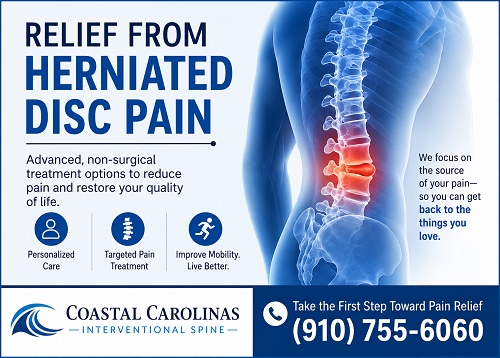
Herniated disc pain can make even simple daily activities feel difficult. Whether the pain stays in your back or travels down your arms or legs, it can interfere with sleep, work, and mobility. Fortunately, a spine specialist can often help relieve discomfort and improve your quality of life without surgery.
At Coastal Carolinas Interventional Spine, patients receive personalized care focused on identifying the source of pain and creating effective treatment plans for long-term relief. Early evaluation is important because untreated herniated disc pain can worsen over time and affect nerve function.
What Causes Herniated Disc Pain?
Your spinal discs act as cushions between the bones in your spine. When one of these discs becomes damaged or slips out of place, it may press against nearby nerves. As a result, herniated disc pain can develop in the neck, middle back, or lower back.
Several factors may contribute to this condition, including:
- Age-related wear and tear
- Heavy lifting
- Repetitive movements
- Poor posture
- Sudden injuries
- Obesity
In many cases, the pain may start gradually. However, some people experience sudden symptoms after lifting or twisting incorrectly.
Common Symptoms of Herniated Disc Pain
The symptoms of herniated disc pain vary depending on which nerve is affected. While some patients only feel mild discomfort, others may experience severe nerve irritation.
Common symptoms include:
- Sharp back or neck pain
- Numbness or tingling
- Muscle weakness
- Pain that radiates into the arms or legs
- Burning sensations
- Difficulty standing or walking for long periods
Because nerve compression can worsen over time, seeking pain treatment early may help prevent additional complications.
How a Spine Specialist Diagnoses Herniated Disc Pain
A spine specialist focuses on identifying the exact source of discomfort. At Coastal Carolinas Interventional Spine, the diagnostic process may include a physical examination, symptom review, and advanced imaging studies.
During the evaluation, the specialist may assess:
- Range of motion
- Reflexes
- Muscle strength
- Walking patterns
- Areas of nerve irritation
Accurate diagnosis is essential because other spinal conditions can mimic herniated disc pain. Therefore, proper testing helps ensure patients receive the right treatment plan.
Non-Surgical Pain Treatment Options
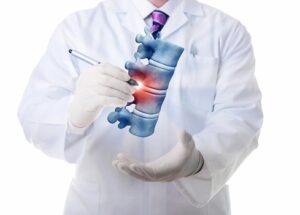
Many patients are surprised to learn that surgery is not always necessary. In fact, non-surgical pain treatment options often provide significant relief for herniated disc pain.
Treatment plans may include:
Epidural Steroid Injections for Herniated Disc Pain
Epidural steroid injections help reduce inflammation around irritated nerves. As swelling decreases, many patients notice improved mobility and reduced discomfort.
Physical Therapy and Stretching
Targeted exercises can strengthen muscles that support the spine. Additionally, improved flexibility may reduce pressure on affected discs.
Medication Management
Certain medications may help relieve inflammation, muscle spasms, or nerve irritation associated with pain management herniated disc care plans.
Minimally Invasive Procedures
Some patients benefit from advanced minimally invasive pain treatment techniques designed to target chronic nerve pain without major surgery.
When Should You See a Spine Specialist?
Many people delay care because they assume the pain will disappear on its own. However, persistent symptoms should not be ignored.
You should consider seeing a spine specialist if you experience:
- Pain lasting longer than several weeks
- Weakness in the arms or legs
- Difficulty walking
- Numbness that worsens
- Severe shooting pain
- Reduced daily activity due to discomfort
Early intervention often leads to better outcomes and may reduce the need for more aggressive procedures later.
Customer Feedback:
Can Pain Management Herniated Disc Treatments Improve Daily Life?
Yes. Effective pain management herniated disc care can help patients regain mobility, improve sleep, and return to normal activities. Since every patient responds differently, individualized care plans are important.
At Coastal Carolinas Interventional Spine, treatment focuses on reducing pain while improving spinal function and overall quality of life. Additionally, patients receive guidance on posture, movement habits, and long-term spine health.
Lifestyle Tips to Help Reduce Herniated Disc Pain
While professional pain treatment is important, healthy daily habits may also support recovery.
Helpful strategies include:
- Maintaining proper posture
- Avoiding heavy lifting
- Staying physically active
- Using supportive seating
- Stretching regularly
- Maintaining a healthy weight
Small adjustments can reduce stress on the spine and help minimize future flare-ups.
Why Choose Coastal Carolinas Interventional Spine?
Coastal Carolinas Interventional Spine provides compassionate, patient-focused care for individuals struggling with herniated disc pain. The team uses advanced diagnostic tools and customized treatment plans to address the root cause of discomfort.
Because every patient’s condition is different, the clinic focuses on developing solutions tailored to each individual’s needs and goals.
Schedule an Evaluation for Herniated Disc Pain
If herniated disc pain is affecting your daily life, help is available. Coastal Carolinas Interventional Spine offers advanced pain treatment options designed to reduce discomfort and improve mobility without unnecessary surgery.
Call Coastal Carolinas Interventional Spine today at (910) 755-6060 to schedule your consultation and learn more about personalized pain management herniated disc solutions.
Check our Facebook page for more educational articles
Coastal Carolinas Interventional Spine
416 Main Street
North Myrtle Beach, SC 29582
(910) 755-6060
https://www.coastalcarolinasinterventionalspine.com/
[email protected]
Coastal Carolinas Interventional Spine
10 Doctor Circle
Suite #2
Supply, NC 28462
Areas Served:
Myrtle Beach SC, North Myrtle Beach SC, Little River SC, Shallotte NC, Calabash NC, Supply NC