
Back pain and leg pain can be frustrating, disruptive, and confusing, especially when symptoms overlap. Many people experience sharp pain, numbness, or tingling and wonder whether they are dealing with a herniated disc or sciatica. While these two issues are closely connected, they are not the same condition. Understanding the difference is essential for choosing the most effective treatment and achieving long-term relief.
People searching for pain management near me are often surprised to learn that sciatica is not a diagnosis by itself. Instead, it describes a pattern of nerve pain that usually has an underlying cause, frequently a herniated disc. Identifying the source of the problem allows treatment to focus on what is truly causing the pain rather than simply managing symptoms.
What Is a Herniated Disc?
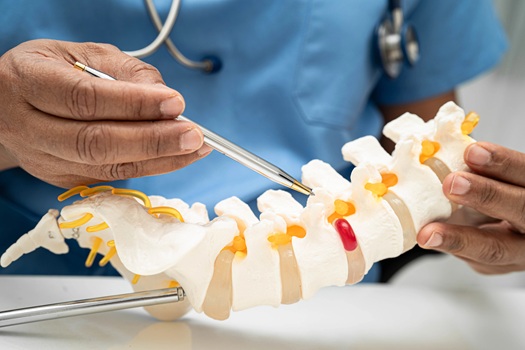
The spine is made up of vertebrae separated by discs that act as cushions and shock absorbers. Each disc has a tough outer layer and a soft, gel-like center. A herniated disc occurs when the inner material pushes through a weakened area of the outer layer.
When this disc material presses against nearby nerves, it can cause pain, inflammation, and neurological symptoms. Herniated discs most commonly occur in the lower back and neck, although they can develop anywhere along the spine.
Common causes include age-related wear, repetitive strain, poor posture, heavy lifting, sudden twisting movements, and traumatic injury. Some people may have a herniated disc without noticeable symptoms. However, when nerve compression develops, pain and functional limitations often follow.
Symptoms may include localized back or neck pain, pain radiating into the arms or legs, numbness or tingling, muscle weakness, and discomfort that worsens with sitting, bending, or lifting. Evaluation by a pain management doctor is important when these symptoms persist or worsen.
What Is Sciatica?
Sciatica refers to pain that follows the path of the sciatic nerve, which extends from the lower back through the hips and buttocks and down the leg. It usually affects one side of the body.
Rather than being a condition on its own, sciatica is a symptom caused by irritation or compression of the sciatic nerve. One of the most common causes is a herniated disc, but other issues such as spinal stenosis, bone spurs, muscle inflammation, or degenerative disc changes can also trigger sciatic nerve pain.
Symptoms often include sharp, burning, or electric-like pain traveling down the leg, tingling or numbness in the foot or calf, muscle weakness, and pain that worsens with prolonged sitting or certain movements. Lower back pain may or may not be present, which can make diagnosis confusing without proper evaluation.
How Herniated Disc and Sciatica Are Different
A herniated disc is a structural problem involving damage to a spinal disc. Sciatica describes the nerve pain that occurs when the sciatic nerve is irritated or compressed.
A herniated disc can exist without sciatica, and sciatica can be caused by conditions other than a herniated disc. However, the two often occur together. This overlap is why professional diagnosis is critical.
Herniated discs may cause pain in the neck or lower back, with symptoms spreading into the arms or legs depending on location. Sciatica specifically involves pain traveling down the leg along the sciatic nerve pathway and typically originates in the lower spine.
How the Cause of Pain Is Diagnosed
Accurate diagnosis is essential for effective care. Evaluation often includes a detailed medical history, physical examination, and neurological testing to assess strength, reflexes, and sensation. Imaging studies such as X-rays or MRI scans may be used to confirm spinal nerve compression or disc abnormalities.
By identifying the exact source of pain, treatment can be targeted to resolve the underlying issue rather than temporarily masking symptoms.
Treatment Options for Herniated Disc and Sciatica
Most patients experience relief without surgery using modern, non surgical spine treatment approaches. Conservative care often includes physical therapy, guided stretching and strengthening exercises, posture correction, and activity modification. Anti-inflammatory medications may also be used when appropriate.
If symptoms persist, interventional pain management treatments may be recommended. These include epidural steroid injections to reduce inflammation, selective nerve blocks for targeted pain relief, facet joint injections, and radiofrequency ablation for chronic nerve-related pain. Image-guided techniques improve accuracy and safety while minimizing recovery time.
These options can significantly reduce pain and improve mobility for many patients.
When to Seek Professional Care
It is important to seek evaluation if pain lasts more than a few weeks, worsens over time, interferes with work or sleep, causes numbness or weakness, or limits daily movement. Early diagnosis often leads to faster recovery and helps prevent long-term complications.
Residents dealing with persistent symptoms in North Myrtle Beach SC benefit from timely evaluation and personalized care plans designed to address both pain and function.
If you are experiencing back or leg pain and searching for trusted pain management near me, the specialists at Coastal Carolinas Interventional Spine are ready to help. Our experienced team focuses on identifying the true cause of pain and delivering personalized, minimally invasive treatment options.
Call Coastal Carolinas Interventional Spine today or request an appointment online to schedule your consultation and take the next step toward lasting relief.
Check our Facebook page for more educational articles.
Coastal Carolinas Interventional Spine
416 Main Street
North Myrtle Beach, SC 29582
(910) 755-6060
https://www.coastalcarolinasinterventionalspine.com/
[email protected]
Coastal Carolinas Interventional Spine
10 Doctor Circle
Suite #2
Supply, NC 28462
Areas Served:
Myrtle Beach SC, North Myrtle Beach SC, Little River SC, Shallotte NC, Calabash NC, Supply NC