
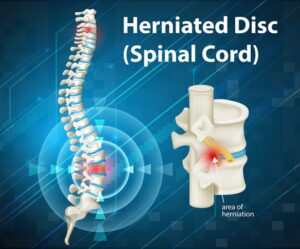
A cervical herniated disc is one of the most common sources of severe neck pain, arm numbness, and muscle weakness. These symptoms can interfere with work, sleep, and daily activities. At Coastal Carolinas Interventional Spine, our spine specialists help patients uncover the root cause of their pain and receive advanced, minimally invasive treatment that provides long-lasting relief.
How the Cervical Spine Works — and Why Herniated Discs Happen
The cervical spine includes the top seven vertebrae in your neck. Between each vertebra sits a disc made of a soft center (nucleus pulposus) protected by a strong outer layer (annulus fibrosus).
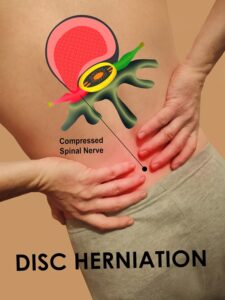
A cervical herniated disc occurs when the inner disc material pushes through a tear in the outer ring. Nearby nerves or the spinal cord can be displaced or can compress , leading to:
- Radiating arm pain
- Numbness or tingling
- Weakness in the shoulders, arms, or hands
This nerve-related pain is called cervical radiculopathy.
What Causes a Cervical Herniated Disc?
A herniated disc can develop suddenly or slowly over time. The most common causes include:
1. Degenerative Disc Disease
As we age, spinal discs naturally lose hydration and flexibility. This natural wear and tear increases the likelihood of disc bulging or herniation.
2. Trauma or Injury
Accidents such as car crashes, falls, or sports-related impacts can cause a disc to tear or rupture.
3. Repetitive Motion & Poor Posture
Extended computer or phone use, repetitive lifting, and prolonged sitting place chronic stress on the cervical spine — a major contributor to disc injury today.
Most patients experience herniation due to a combination of aging, mechanical stress, and everyday posture habits.
Common Symptoms of a Cervical Herniated Disc
You may experience:
- Persistent neck pain or stiffness
- Pain radiating into the shoulders, arms, or upper back
- Numbness or tingling in the arms or fingers
- Muscle weakness in the upper extremities
- Headaches (especially at the base of the skull)
- Difficulty with coordination or fine motor skills
The affected disc level affects your symptoms. For example:
- C5–C6 herniation → affects biceps and wrist strength
- C6–C7 herniation → impacts triceps and grip strength
Who Is Most at Risk?
Certain factors increase the likelihood of developing a cervical herniated disc:
- Age 30–50
- Family history of disc disease
- Sedentary lifestyle and poor posture
- Smoking (reduces disc hydration and healing)
- Jobs involving repetitive movement or heavy lifting
According to national studies, up to 2% of the population develops a herniated disc each year, with cervical cases being a large portion.
Treatment Options at Coastal Carolinas Interventional Spine
Our focus is on relieving pain, restoring mobility, and preventing future flare-ups. We begin with conservative care and escalate only when necessary.
Non-Surgical Treatments
- Physical Therapy – Improves posture, increases neck stability, and strengthens supporting muscles.
- Medication – Anti-inflammatory drugs, muscle relaxants, or neuropathic medications for pain control.
- Epidural Steroid Injections – Precise, image-guided injections reduce inflammation around compressed nerves.
- Activity Modification – Teaching patients how to avoid aggravating movements and protect the cervical spine.
Advanced & Minimally Invasive Procedures
If symptoms persist after conservative care, our spine specialists in North Myrtle Beach SC may recommend:
- Endoscopic Discectomy – A minimally invasive procedure that removes the damaged disc portion and relieves nerve pressure.
- Cervical Artificial Disc Replacement – Preserves natural neck motion and avoids spinal fusion.
- Cervical Fusion – A stabilizing procedure used when there is severe degeneration or instability.
Each treatment plan is customized based on your symptoms, imaging, and lifestyle needs.
Frequently Asked Questions (FAQ)
How do I know if my neck pain is caused by a herniated disc?
If your pain radiates into your arms, causes numbness or tingling, or creates muscle weakness, a cervical herniated disc is likely. An MRI can confirm the diagnosis.
Will a herniated disc heal on its own?
Many cases improve with conservative treatment, but severe or persistent symptoms require evaluation by a spine specialist.
Do I need surgery for a cervical herniated disc?
Not always. Most patients improve with nonsurgical treatments. Surgery is recommended only when conservative care fails or neurological symptoms worsen.
Can poor posture really cause a herniated disc?
Yes. Long periods spent looking down at screens (tech neck) can accelerate disc degeneration and increase the risk of herniation.
What are the best treatments for cervical radiculopathy?
Physical therapy, targeted injections, and minimally invasive procedures are highly effective depending on the severity and cause.
How quickly can I be seen at Coastal Carolinas Interventional Spine?
We offer prompt scheduling and efficient diagnostic evaluations to help you begin your recovery as soon as possible.
Get Relief From Neck Pain Today
If you’re experiencing symptoms of a cervical herniated disc — or ongoing neck or back pain — don’t wait for your condition to worsen. Coastal Carolinas Interventional Spine offers expert diagnostics, advanced minimally invasive options, and compassionate, patient-centered care.
Call Coastal Carolinas Interventional Spine today to schedule your consultation and take your first step toward pain-free living.
Check our Facebook page for more educational articles.
Coastal Carolinas Interventional Spine
416 Main Street
North Myrtle Beach, SC 29582
(910) 755-6060
https://www.coastalcarolinasinterventionalspine.com/
info@ccispine.com
Coastal Carolinas Interventional Spine
10 Doctor Circle
Suite #2
Supply, NC 28462
Areas Served:
Myrtle Beach SC, North Myrtle Beach SC, Little River SC, Shallotte NC, Calabash NC, Supply NC